- Get link
- X
- Other Apps
Navigating Education with New Technology
In his article on “digital natives” and “digital immigrants,” Marc Prensky argues that younger generations have grown up with technology in fundamentally different ways than older generations. According to Prensky, digital natives are people who grew up surrounded by computers, smartphones, video games, and the internet, while digital immigrants are those who learned technology later in life (Prensky). He believes this divide affects education because many schools still use traditional teaching methods that may not connect well with students accustomed to fast-paced digital environments.

I consider myself a digital native, even though my parents did not allow me to have a smartphone until I was in high school. I grew up with computers, the internet, video games, and smart technology, so using technology feels natural to me. I would definitely consider my mother a digital immigrant. She can use her phone and laptop perfectly fine, but there are certain concepts or technology issues that my siblings and I understand much more easily simply because we grew up around it. For us, technology has always been part of everyday life.
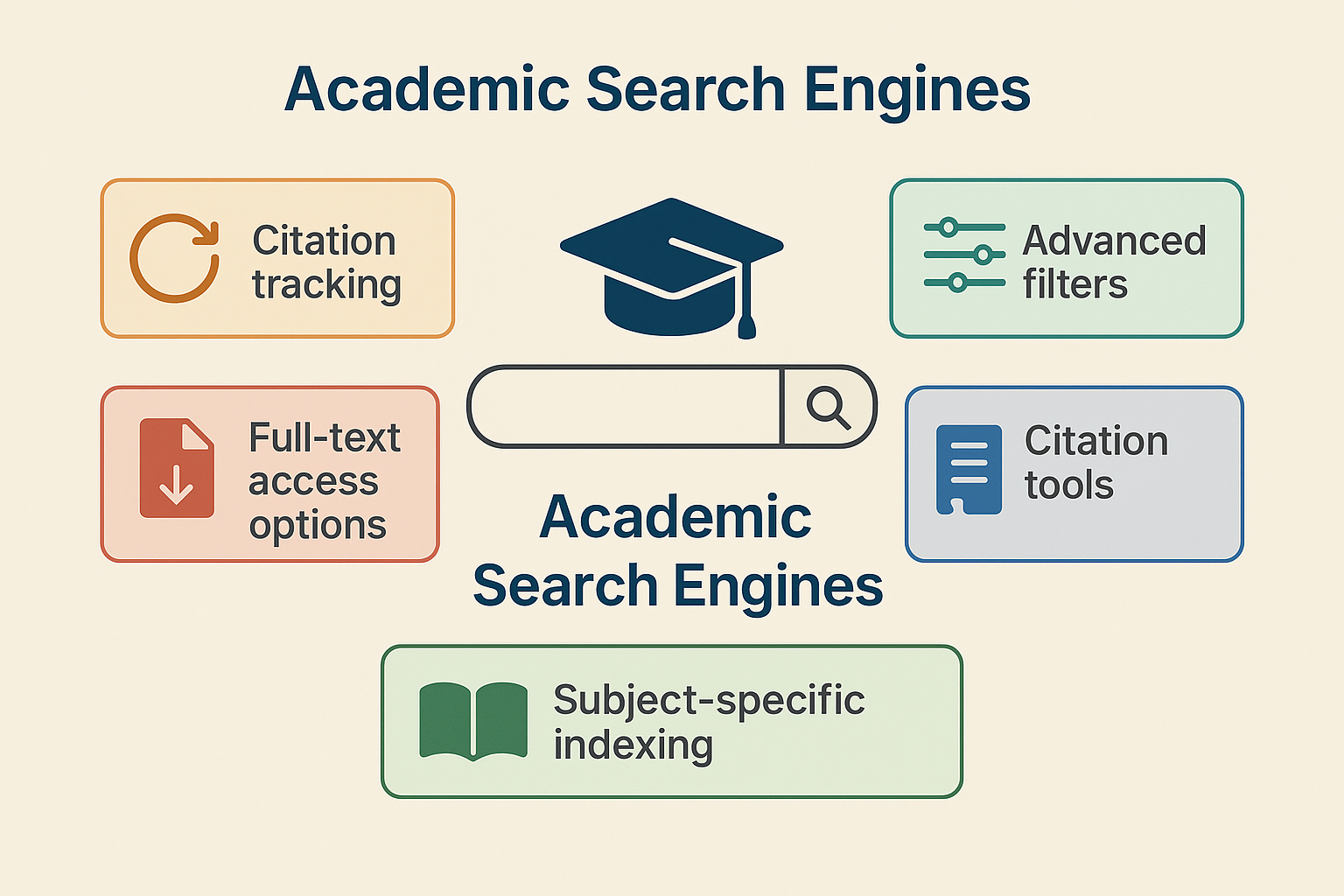
At the same time, I agree that growing up with technology does not automatically make someone digitally literate. Even though I am comfortable with technology, I still sometimes struggle with using scholarly databases, finding reliable sources, and conducting strong academic research online. Mazer explains that technology and social media can create communication advantages, but they can also create challenges in how people access and evaluate information (Mazer). Knowing how to scroll through social media is very different from knowing how to research effectively or think critically about online information.
Works Cited
Mazer, Joseph P. Communication and Social Media: Understanding and Managing Communication Challenges in a Networked Society. Oxford University Press, 2019.
Prensky, Marc. “Digital Natives, Digital Immigrants.” On the Horizon, vol. 9, no. 5, 2001, pp. 1–6.
- Get link
- X
- Other Apps
Comments
Post a Comment